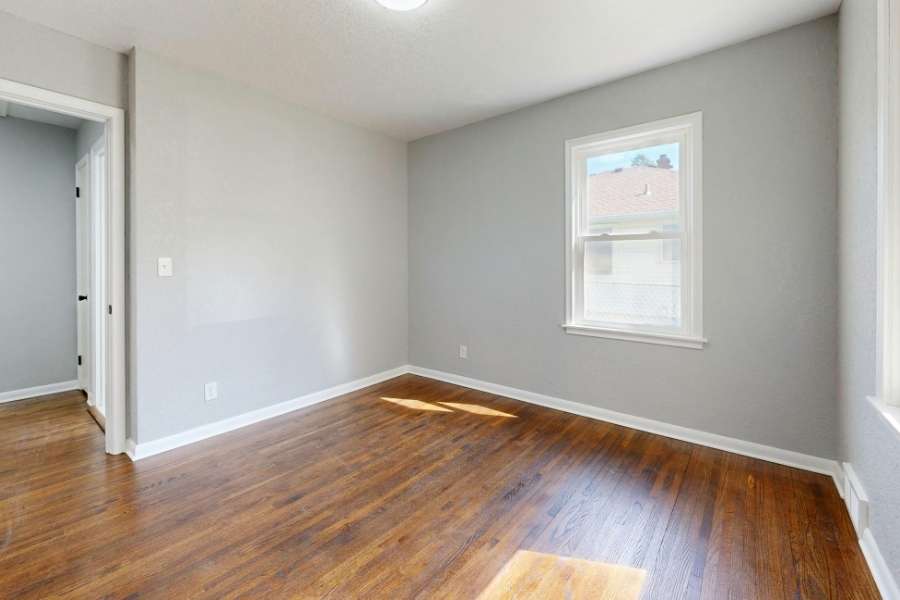
Nothing beats the warm look of timber flooring underfoot. Yet, late night kitchen trips often trigger loud floor squeaks. That sudden groan wakes up the entire house instantly. Noise happens when timber components rub together under heavy pressure. Fixing these issues restores true quiet to your home.
This complete step-by-step guide reveals simple repair methods. You will learn to fix loose boards and subfloor gaps. No advanced tools are required for most common projects. Let us dive right into smart ways to fix creaky wooden floorboards today.
Understanding Why Your Timber Floorboards Make Noise
Wood shifts continuously as seasonal humidity levels change inside living spaces. Warm summer months expand planks, while dry winter air contracts them. Contraction creates small spaces between boards, joists, and subfloor layers. Stepping on a loose board forces timber to flex downward. That movement causes sharp friction against old smooth nails. Managing your home environment carefully helps protect your flooring investment, much like learning why insulating your home yourself could save you thousands when maintaining energy efficiency and stable indoor conditions.
Finding the exact noise source saves unnecessary work. Walk across the room with a helper to locate flexing areas. Watch for moving boards, loose nail heads, or small gaps near baseboards. Knowing if the issue is simple surface friction or structural movement helps you pick the right fix.
Quick and Non-Invasive Fixes for Surface Friction
Surface friction between two tight boards causes many common floor noises. You can silence these spots without pulling up wood or driving heavy fasteners. Homeowners frequently use talcum powder for squeaky wood floors as a dry lubricant. Sprinkle the powder over noisy joints and work it into cracks using a brush. Wipe away any extra dust from your timber surface. Dry powder reduces side friction quickly, though deep structural gaps require mechanical fasteners.
Permanent Structural Solutions for Noisy Timber Subfloors
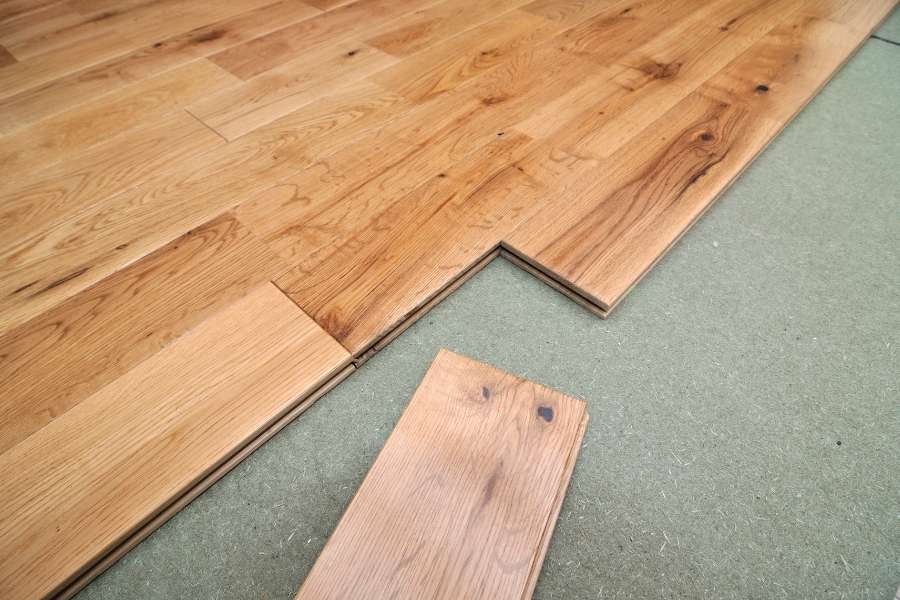
Deep structural movement demands a stronger, permanent mechanical repair. Securing loose boards down onto subfloor framing stops vertical flexing completely. Replacing weak nails with modern threaded fasteners keeps your floors stable for years. Taking on home upgrades yourself is empowering, similar to understanding diy solar panel installation legal requirements before starting major energy improvement projects around your property.
Always pre-drill pilot holes before driving fasteners through hard timber top layers. Pilot holes stop delicate decorative wood from splitting under heavy pressure. Drive heads slightly below the surface so wood filler can hide them cleanly. To achieve maximum holding power, drive screws into subfloor to stop creaks instead of using basic nails. Using strong wood screws pulls loose subfloor layers flush against supporting joists. That tight bond removes vertical movement and eliminates loud creaks completely.
Fastening Options for Long-Term Floor Stability
Using proper hardware ensures long-term strength for quiet timber surfaces. Standard smooth nails pull loose over time as wood shifts naturally. Modern floor repairs rely on strong threaded hardware, score-and-snap repair screws, and construction adhesives paired with solid mechanical structural anchors.
Advanced Joist Repair and Subfloor Solutions
Accessing basements or crawl spaces makes underneath repairs very clean. Working below lets you fix deep structural gaps without touching finished timber floors above. Inspect where subfloor sheets rest on top of timber joists. Look for visible space where boards dip under walking weight. Custom shims, joist brackets, or construction adhesives fill voids quickly and restore solid support underfoot.
Tackling Complex Structural Movement Under Carpeting
Fixing floor movement under carpet seems difficult without pulling up fabric. Removing carpet takes time and often requires specialized re-stretching tools later. Special repair kits fix loose subfloors directly through carpet fibers safely. These kits use engineered screws that snap off below the backing carpet layer. To fix noisy floors under carpet without tearing it up, locate joists with a stud finder through the carpet. Drive the specialty break-off fastener into the subfloor until it grips the timber framing. Snap off the head using the fixture tool for an invisible repair. Executing a proper subfloor fix keeps your room quiet while leaving carpet completely untouched.
Essential Carpentry Tools and Maintenance Advice
Basic tools and methodical steps ensure successful timber maintenance projects. Quality materials keep repairs quiet despite daily foot traffic. Keeping indoor humidity steady year-round reduces timber expansion significantly. Use dehumidifiers during damp summers and humidifiers during dry winters. Balanced air keeps wood dimensions stable and stops new board gaps from opening.
The Carpenter’s Toolkit for Silent Floors
Having proper gear ready makes your repair work faster and cleaner. A reliable carpentry fix combines strong fasteners with construction adhesive for durability. Applying adhesive along joist tops before securing timber prevents future movement noise. Prompt floor repair protects your subfloor investment and preserves daily comfort. Learning how to stop wooden floorboards from squeaking gives you full control over household maintenance. Regular flooring maintenance stops small squeaks from turning into major structural damage. Applying dry lubricants or securing subfloors gives you silent floors. National wood flooring organizations provide clear guides on timber moisture control. Their technical papers offer great insights on wood movement throughout changing seasons.
Frequently Asked Questions
What is the easiest temporary fix for a squeaky wooden floor?
Applying dry talcum powder between rubbing boards reduces surface friction quickly. Dust the powder into open seams to stop minor squeaks without using tools.
Can I fix a squeaky floor without taking up my carpet?
Yes, snap-off screw kits let you secure loose subfloors directly through carpets. The screw head snaps off below the carpet surface without damaging fabric fibers.
Why do my floorboards squeak more during certain times of the year?
Timber contracts during dry winter months as indoor humidity levels drop. Shrinkage creates small gaps between boards and joists, causing friction underfoot.