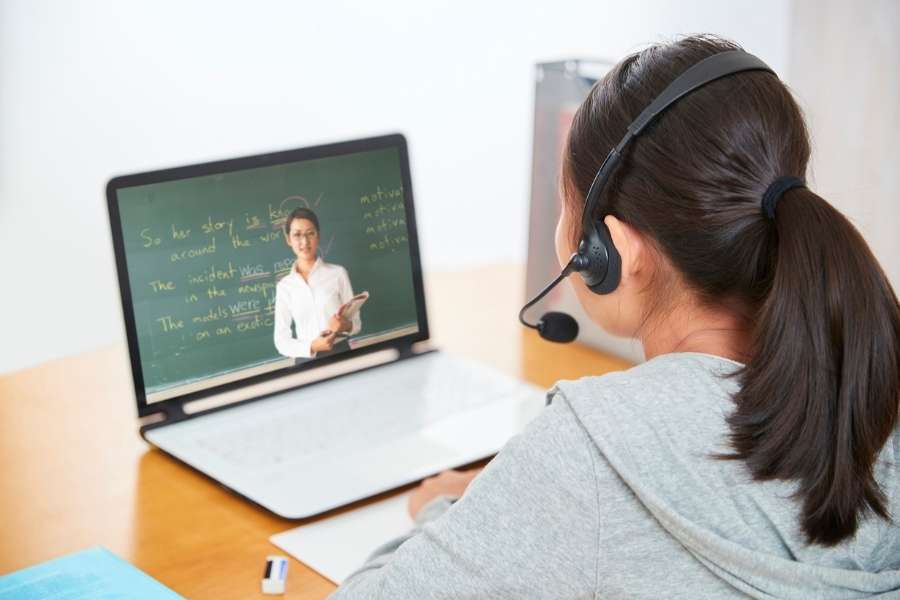
Online Learning has completely flipped education on its head. You’re probably sitting there wondering if watching lectures on your laptop can really beat the old-school classroom experience. It’s not just some academic debate anymore – millions of people are wrestling with this choice right now, trying to figure out what’s actually going to work for their lives.
The whole online vs traditional education thing has gotten pretty heated lately. Some people swear by clicking through courses in their pajamas, while others insist nothing beats having a real teacher right there in front of you. But here’s the thing – what do the actual facts say? Which one actually helps you learn better, and more importantly, which one fits your crazy schedule and learning quirks?
Let’s cut through all the noise and get to the real story. We’ll dig into what researchers have discovered, look at the good and bad sides of both approaches, and help you figure out which path makes sense for you. Whether you’re a student trying to pick your next move, a parent making tough choices, or a teacher adapting to all these changes, this deep dive will give you the straight talk you need.
How Online Learning Is Shaking Up Everything We Know About School
Traditional classrooms have been the go-to for hundreds of years, but online learning effectiveness is making us question everything we thought we knew about getting an education. When you jump into digital learning, you’re not just switching up how you absorb information – you’re completely changing how you connect with teachers, classmates, and the material itself.
Distance learning platforms today blow away those boring old systems with just videos and PDFs. We’re talking interactive games, real-time group work, learning paths that adjust to how you think, and testing that actually makes sense. These tools create learning spaces that can bend and flex with your brain in ways a regular classroom never could.
Think about the flexibility alone – it’s pretty mind-blowing. You can dive into calculus at 2 AM if that’s when your brain kicks into gear, hit pause to look up something confusing, or watch that tricky part five times until it clicks. Try doing that in Ms. Johnson’s third-period chemistry class where everyone moves at exactly the same speed whether they get it or not.
But this whole transformation isn’t just sunshine and rainbows. Sure, online learning benefits include crazy flexibility and personalized everything, but they also mean you need to be your own boss and stay motivated when Netflix is literally one tab away. The real question isn’t whether online beats traditional or vice versa – it’s about which one actually works for different types of people in different situations.

What the Research Actually Tells Us About Online Learning
The science behind digital education effectiveness reveals some pretty surprising stuff about how our brains work when we’re learning through screens. Researchers have been comparing learning outcomes across different methods, and the results might make you rethink everything. One massive study that looked at tons of research found that students doing online learning actually performed a bit better than those in face-to-face classes.
What really makes the difference seems to be how engaged you get and whether the course is actually designed well. Online learning platforms that mix up videos, interactive exercises, and group work tend to produce better results than just watching someone talk at a camera. Your brain soaks up information way better when multiple senses are involved and when you can actually do something with what you’re learning.
The retention stuff gets really interesting too. But this only works if you’re actually engaging with the material instead of just letting it wash over you.
Why Traditional Classrooms Still Pack a Punch
Even with all this digital revolution stuff happening, traditional education methods still have some serious advantages. Those random moments that pop up in real classrooms create learning opportunities that are tough to plan for in virtual spaces. When you’re actually sitting there with your classmates and teacher, unexpected questions and discussions just happen naturally.
The social learning thing is probably the strongest argument for classroom-based education. Getting immediate feedback and real-time answers is another huge plus for traditional methods. When you’re lost about something in a physical classroom, you can just raise your hand and get help right away. The teacher can look around the room and see who’s confused by checking out everyone’s expressions, then adjust things on the spot.
Hands-on learning experiences in traditional settings often give you that tactile, spatial learning that’s really hard to fake digitally. Lab work, group projects, and actual demonstrations benefit massively from being physically present. Getting your hands dirty with real materials. Virtual simulations have gotten pretty impressive. But they haven’t completely replaced the value of actually doing stuff with your hands in many subjects.
Digital Platforms: The New School Playground
Personalized learning paths might be the coolest advantage of digital education platforms. Advanced systems watch how you learn, spot where you’re struggling, and automatically adjust the difficulty and pace to optimize your experience. Try getting that kind of individual attention in a traditional classroom with 25 other students competing for the teacher’s time.
The scalability of online education platforms has opened doors to high-quality instruction that would’ve been impossible before. You can take courses from world-famous experts, join specialized programs that don’t exist anywhere near you, and learn alongside people from completely different backgrounds and countries. This expanded access to expertise and different perspectives enriches learning in ways that being stuck in your local area just can’t match.
Mobile learning capabilities have pushed things even further by letting you learn literally anywhere. You can review flashcards on the bus, participate in discussions during lunch breaks, and watch lectures from your couch. This integration of learning into regular life creates way more opportunities for reinforcing what you know and building new skills.
The Real Test: Do Learning Outcomes Actually Matter?
When researchers evaluate online vs traditional learning outcomes, they’re looking at way more than just test scores. They examine completion rates, actual skill development, how well you remember stuff later, and whether you can actually apply what you learned in real situations. The results bounce around quite a bit depending on what subject you’re studying, who’s taking the course, and how well everything is set up.
Skill-based learning assessments show interesting patterns between different educational approaches. Online learning tends to excel at developing technical skills, self-directed learning abilities, and digital know-how. Traditional methods usually win when it comes to developing people skills, leadership abilities, and complex problem-solving that requires thinking collaboratively.
Looking at long-term career outcomes provides another way to judge educational effectiveness. Graduates from quality online degree programs are increasingly showing comparable or even better professional success compared to traditionally educated peers. Employers are starting to recognize that online learning often develops valuable skills like self-motivation. Time management, and tech proficiency that are super relevant in today’s workplaces.
Online Learning Perks That Actually Change the Game
The flexibility built into digital learning environments goes way beyond just being able to study whenever you want. This personalization creates opportunities for deeper understanding and more effective skill building.
Cost-effectiveness is another huge win for online education. This financial accessibility opens doors for students who might otherwise be completely priced out of higher education.
Global accessibility breaks down the geographical walls that have traditionally limited educational opportunities. You can access specialized programs from schools anywhere in the world. Learn from international experts, and work with diverse groups of students without ever leaving your house. This global perspective enriches the learning experience and gets students ready for increasingly international work environments.
Technology integration in online learning naturally builds digital skills that are essential in modern careers. These tech skills often provide significant advantages when entering professional settings.
Tackling the Tough Parts of Online Learning
Despite all its perks, online education definitely has some challenges that can mess with learning effectiveness. Smart online programs are tackling this through virtual study groups, live video sessions, and team projects.
Self-discipline requirements in online learning demand way higher levels of personal responsibility and time management compared to traditional education. While challenging, developing these skills often pays off big time for personal and professional success later.
Technology barriers can create real obstacles for some students, especially those with sketchy internet connections or outdated devices.
Assessment authenticity concerns have sparked innovation in online evaluation methods. These evolving assessment approaches often give a more complete picture of student understanding than traditional testing methods.
The Future: Mixing the Best of Both Worlds
The most exciting developments in education involve hybrid learning models that grab the best parts of online and traditional methods. These blended approaches let you benefit from the flexibility and personalization of digital platforms. While keeping the social interaction and hands-on experiences of traditional classrooms.
Flipped classroom models show one successful way to blend learning approaches. Students work through lecture content and readings online at their own speed. Then use classroom time for interactive discussions. Problem-solving activities, and group projects. This approach maximizes what works about both digital and face-to-face interactions.