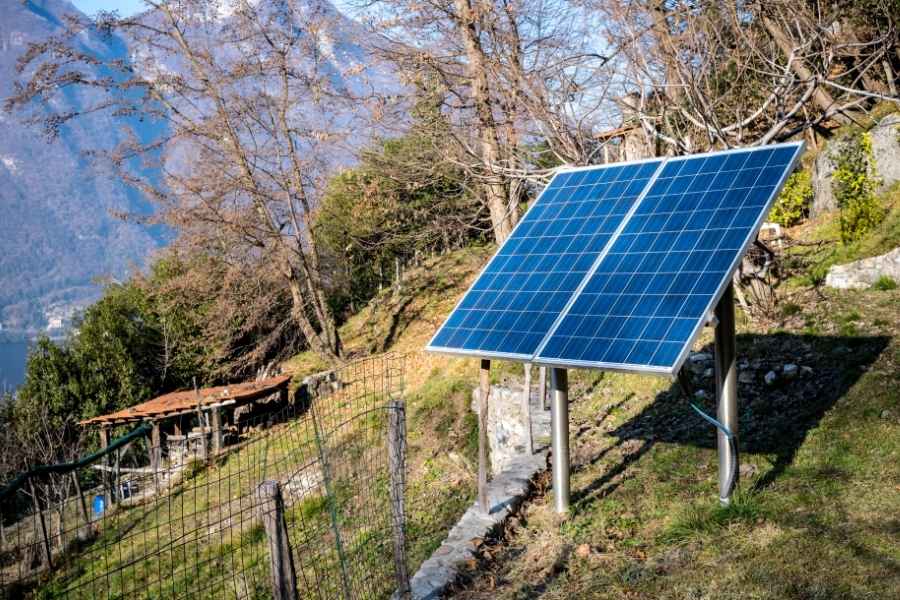
DIY Solar Panel fever is spreading like wildfire across suburbia. You’ve done the math, watched the YouTube videos, and your credit card is practically burning a hole in your wallet. But hang on there, solar warrior! Before you start drilling holes in your roof like some renewable energy enthusiast gone rogue, let’s talk about the not-so-sexy stuff that could save your bacon: the legal maze you’re about to enter.
Look, nobody gets excited about permits and inspections. They’re about as thrilling as watching paint dry on a rainy Tuesday. But here’s the thing – skip this stuff, and you might end up with a very expensive pile of scrap metal that your insurance company won’t touch with a ten-foot pole. Plus, your neighbors will have a field day if the city makes you rip everything down.
Solar panel regulations aren’t there to kill your green energy dreams. Think of them more like guardrails on a mountain highway – annoying when you’re in a hurry, but pretty darn important when things go sideways. Your DIY solar panel installation can absolutely happen, but you need to play by the rules. Trust me, it’s way easier to do things right the first time than explain to your spouse why you’re writing another check to fix what should have been done properly from the start.
Getting Your DIY Solar Panel Permits Sorted
Here’s where things get real. Building permits for solar panels aren’t optional, no matter what your brother-in-law who « knows a guy » told you at the last barbecue. Every city, county, and township has their own special flavor of bureaucracy, and they all want their piece of the action before you flip that switch.
Your permit application is basically your solar system’s resume. The building department wants to see detailed plans, electrical schematics, and proof that you’re not about to turn your house into a fire hazard. They’re particularly interested in making sure your roof won’t collapse under the weight of your DIY solar panel system. Turns out, roofs have feelings too, and they don’t appreciate being overloaded.
Solar installation permits can be surprisingly different from one town to the next. Some places have gone full digital – you can submit everything online and get approved faster than your pizza delivery. Others still operate like it’s 1985, requiring multiple trips to city hall and enough paperwork to deforest a small country. The trick is finding out which camp your local government falls into before you start.
Don’t expect this to be quick. Permit processing times range from « surprisingly fast » to « are they hand-carving my approval in stone? » Plan for delays, especially during peak solar season when everyone else has the same bright idea.
DIY Solar Panel Code Compliance Reality Check
Building codes exist because somebody, somewhere, tried something that went spectacularly wrong. Solar panel building codes are basically a collection of « don’t do this » lessons learned the hard way by previous generations of DIY enthusiasts and professional installers alike.
The International Residential Code isn’t exactly beach reading, but it’s your new best friend. Most DIY solar panel projects need to follow specific spacing rules – typically three feet from roof edges and ridges. This isn’t some arbitrary number pulled out of thin air. Firefighters need room to work, and your panels shouldn’t become flying projectiles during the next big storm.
Solar panel building codes also dictate how much weight your roof can handle, where you can place equipment, and how everything connects together. Ignore these rules, and you’re not just risking a failed inspection – you’re potentially creating a genuine safety hazard. Nobody wants to be the person whose solar panels ended up in the neighbor’s pool during a windstorm.
The National Electrical Code gets updated every three years, which means the rules keep evolving. What was acceptable in 2020 might not fly in 2025. Staying current with these changes isn’t just good practice – it’s often legally required for new installations.
Zoning Laws and HOA Drama for DIY Solar Panel Projects
Welcome to the part where things get politically interesting. Residential solar zoning laws can make or break your project before you even get started. Some areas have rolled out the red carpet for solar installations, while others treat them like nuclear waste facilities.
Historical districts are particularly tricky. Your DIY solar panel installation might be perfectly legal from a building code perspective but completely forbidden because it would « disrupt the historical character » of the neighborhood. It’s like being told your electric car doesn’t match the aesthetic of the horse-and-buggy era.
HOAs are a special breed of challenge altogether. These organizations can turn your solar dreams into a bureaucratic nightmare faster than you can say « architectural review committee. » Some HOAs have reasonable solar policies, while others seem designed by people who think renewable energy is a passing fad like pet rocks or disco.
Solar panel HOA restrictions often focus on visibility from the street. They might require specific panel colors, mounting angles, or installation locations that minimize visual impact. The good news is that many states have passed « solar rights » laws that limit HOAs’ ability to completely ban solar installations. The bad news is that these laws often include loopholes big enough to drive a solar panel truck through.
Smart homeowners engage with their HOA early and often. Show up to meetings, present your plans professionally, and be prepared to compromise on aesthetics. Remember, these are your neighbors, and you’ll be living with them long after your solar panels are installed.
Electrical Safety: Where DIY Solar Panel Dreams Meet Reality
Here’s where things get serious, folks. DIY solar panel electrical requirements don’t mess around. We’re talking about high-voltage electricity, complex inverter systems, and the potential to turn your house into a very expensive bonfire if things go wrong.
The National Electrical Code is basically the bible for electrical work, and your solar installation needs to follow it religiously. This covers everything from wire sizing to grounding systems to labeling requirements. Every DC circuit needs proper labels, and disconnect switches must be accessible to emergency responders. These aren’t suggestions – they’re life-and-death safety requirements.
Solar panel grounding requirements are where many DIY projects go off the rails. You need both equipment grounding (to prevent electrical faults from becoming dangerous) and system grounding (to establish electrical reference points). Get this wrong, and you’re not just looking at code violations – you’re creating genuine electrocution hazards.
The complexity here is real. Solar installations involve DC electricity (which behaves differently than regular AC house current), power electronics that can fail in spectacular ways, and integration with your existing electrical system. One mistake can cascade into major problems that are expensive and dangerous to fix.
Getting Through DIY Solar Panel Inspections
Solar panel inspections are like final exams – except failing means ripping out thousands of dollars worth of equipment and starting over. Most areas require multiple inspections throughout the process, not just one final walkthrough when everything’s done.
The structural inspection happens first, usually after you’ve installed mounting hardware but before the actual panels go up. Inspectors want to verify that your roof can handle the load and that everything is properly anchored. They’re particularly interested in flashing details and penetration sealing – nobody wants your solar project to result in a leaky roof.
Electrical inspections come next, and this is where many DIY projects hit their first major roadblock. Solar installation inspection checklists are comprehensive, covering everything from conductor sizing to grounding connections to safety labeling. Inspectors have seen every possible mistake, and they know exactly where to look for problems.
The final inspection ties everything together. By this point, your system should be complete and ready for utility connection. Inspectors will verify that everything meets code, all required labels are in place, and the system is safe for operation.
Pro tip: having your documentation organized and readily available can speed up inspections significantly. Inspectors appreciate contractors (including DIY homeowners) who are prepared and professional.
Connecting Your DIY Solar Panel System to the Grid
Solar panel utility connection is where your DIY project meets the big leagues. Utilities take grid stability seriously, and they want to make sure your homemade solar system won’t cause problems for the broader electrical network.
The interconnection application process typically requires detailed system specifications, proof of permits and inspections, and sometimes additional utility-specific requirements. Some utilities have streamlined processes for residential solar, while others seem designed by people who don’t want distributed generation on their grid.
Net metering agreements are often part of the interconnection process. These determine how you get credited for excess electricity your system produces. The details matter here because they directly affect your system’s financial performance. Some utilities offer full retail credit for solar production, while others use more complex time-of-use rates or wholesale pricing.
Timing is crucial for utility connections. Most utilities require all permits and inspections to be complete before they’ll install the final production meter. This means any delays in the approval process can push back your system’s activation date.
Insurance Headaches and Liability Questions
Your DIY solar panel installation will definitely get your insurance company’s attention. Most insurers require notification of solar installations, and some have specific requirements for DIY systems that differ from professional installations.
Solar panel insurance requirements vary widely among insurance companies. Some are solar-friendly and simply adjust your coverage to reflect increased property value. Others require additional inspections, specific equipment certifications, or proof of professional installation to maintain full coverage.
Liability is the big question mark with DIY installations. If your system causes problems – roof leaks, electrical fires, or damage to neighboring properties – you’re potentially on the hook for repairs and related costs. This risk underscores why following codes and safety standards isn’t optional.
Some insurance companies offer specific solar insurance products or endorsements that provide additional protection for solar installations. These might be worth considering, especially for larger or more complex DIY systems.
Warranties and Code Compliance Reality
Solar panel warranty protection often hinges on proper installation and code compliance. Equipment manufacturers typically require installations to meet local building codes and industry standards to maintain warranty coverage. Cut corners during installation, and you might void warranties worth thousands of dollars.
Solar installation code violations discovered during inspections or after system activation can trigger forced shutdowns and expensive remediation work. The cost of fixing violations after the fact often exceeds the original installation cost, making upfront compliance far more economical.
Working collaboratively with local building departments and electrical inspectors throughout your project helps ensure everything meets applicable requirements. These professionals can provide valuable guidance and catch potential issues before they become expensive problems.
Maximizing Solar Incentives Through Proper Installation
Solar panel tax incentives can significantly offset your project costs, but accessing these benefits often requires strict compliance with installation and documentation requirements. The federal solar Investment Tax Credit allows substantial tax deductions, but only for systems meeting applicable codes and standards.
State solar incentive programs frequently have additional requirements beyond federal standards. Some require specific equipment certifications, installer qualifications, or system configurations to qualify for rebates or performance payments. DIY installations can often qualify, but documentation requirements are typically more stringent.
Local solar rebate programs might require professional inspections or certifications that DIY installers can obtain independently. The key is understanding these requirements upfront and budgeting for any additional costs or procedures needed to access available incentives.
So there you have it – the legal landscape for DIY solar panel installation laid bare in all its bureaucratic glory. Yes, it’s complicated. Yes, it takes time. And yes, you absolutely can navigate it successfully if you do your homework and stay patient with the process. Thousands of homeowners tackle these requirements every year and come out the other side with functioning, legal, money-saving solar systems. The question isn’t whether you can handle the legal stuff – it’s whether you’re ready to become the neighborhood’s renewable energy success story. Just promise me you’ll resist the urge to start drilling holes before you’ve got all your paperwork sorted, okay?